

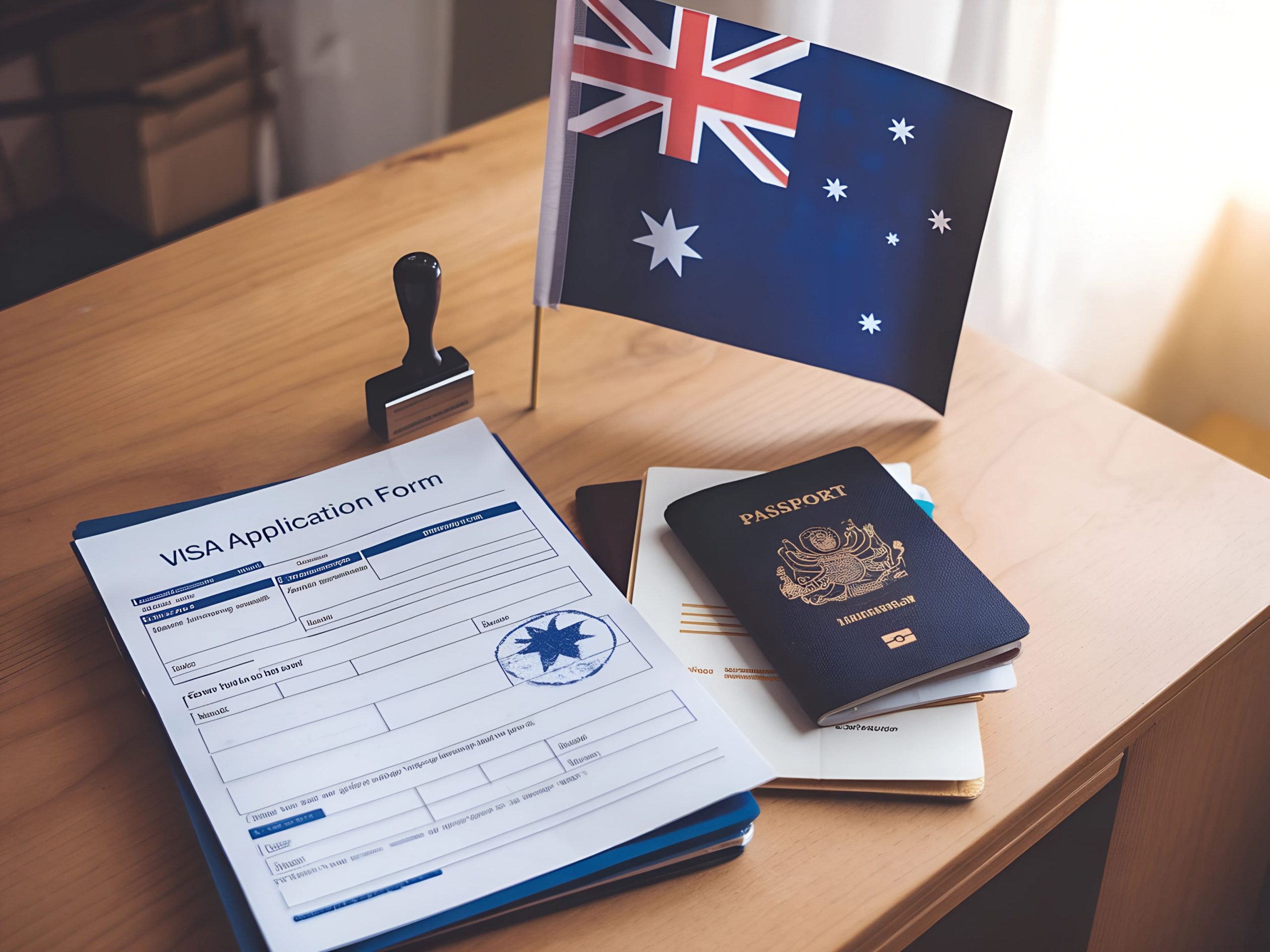
Applying for a Protection Visa Australia is a legal procedure. It is also a search for safety and a future free from fear. For many applicants in 2026, the most stressful part of this journey is not the application itself, but the silence that follows. “How long will I have to wait?” is the most common question we hear at Migration Doctors Australia.
The answer is complex. The Department of Home Affairs does not follow one fixed timeline for every application. The processing time can change from case to case. It depends on how valid your claims are and on how many applications they are handling simultaneously.
Australian law requires strict security checks and these can also affect how long the process takes.
The Current Processing Landscape
As of early 2026, the handling of Protection Visa applications in Australia is done in two main groups.
The first includes new and complete applications ready for a decision. The second are the complex cases or applications that have been on the list for a long time.
The processing of each group is different. It depends on the details of the case and how long it has been in the system. The government has directed resources towards finalising clear-cut cases quickly; however, a significant backlog remains.
1. The New and Straightforward Cases
There is some good news for new applicants who submit fully documented claims. Recent data indicate that the Department of Home Affairs is finalizing a portion of new, low-complexity applications much faster than in previous years.
The estimated time is about 5 to 7 months, which is roughly 145 to 210 days.
These timeframes usually apply if you submit complete and valid identity documents. The declaration of the medical history should be there. You must also provide your biometrics as soon as you lodge your application.
2. The Standard and Complex Processing Queue
For the majority of applicants, especially those with complex backgrounds or missing documentation, the wait is significantly longer. The “average” processing time officially published often reflects this wider group.
- 50% of applications are processed within 18 to 24 months.
- 90% of applications can take up to 36 months (3 years) or more.
It is crucial to understand that these are statistical averages. Some applicants receive a decision in less than six months. Others may wait for years.
The difference usually depends on the details of each case. It also depends on the department’s internal priorities at the time.
Why does the Protection Visa take so long?
When you lodge a Protection Visa application, it goes through a strict assessment process. The delay is usually not caused by just one issue.
In most cases, it happens because several required checks must be completed before a decision is made.
1. Identity and Security Verification
The primary bottleneck is the strictest border security systems. Before granting any visa, the department must be completely sure about your identity.
If you arrived without a valid passport or with incomplete documents, the Department has the right to confirm who you are in the best possible ways. This may involve checking records with foreign governments or international agencies.
Every applicant must undergo security checks by the Australian Security Intelligence Organisation (ASIO). These checks look for any links to politically sensitive groups or possible risks to the Australian community. These things cannot be overlooked or rushed by the Department or your migration agent.
2. Assessing the “Genuine Fear”
The core of a Protection Visa Australia is proving you are a refugee (fear of persecution based on race, religion, nationality, political opinion or social group) or eligible for Complementary Protection.
- Country Information: Case officers verify your claims against current “Country of Origin Information” reports. The claim should not have an involvement in a political group or a local conflict. Otherwise, the officer has to carry out detailed research, which might take extra time.
- Interviews: Your written statement should be clear, complete and valid. If it is found to be otherwise, you may be asked to attend an interview. The scheduling and conducting of these interviews can add months to the process.
3. Health Requirements
If any conditions show up in your medical reports that require further testing (such as TB or HIV), you must pass a health examination. It pauses your visa processing immediately until a Medical Officer of the Commonwealth approves.
The Administrative Review Tribunal (ART) Factor
You have the right to seek a review of the refusal of your primary application. As ART aims to be more efficient, the backlog of protection cases remains high, unlike the old AAT.
If you appeal a refusal, the wait for a tribunal hearing is substantial, as the average wait time is approximately 3.5 to 5 years.
You could face a combined wait of 5–7 years if your initial application was refused before the final outcome. This highlights the critical importance of getting your application right the first time.
How to Minimize Delays: The “Decision-Ready” Application
You cannot control the Department’s workload, but you can control the quality of your submission. The fastest processed cases are those that are “decision-ready.”
A decision-ready application gives the case officer everything they need to say “yes” without asking for more information.
Why Quality Matters
Be ready to be in a long queue if your application is poor or vague.
In this case, it can add 2-3 months to the timeline as the Department will issue a “Request for Further Information” (RFI). Your credibility will be questioned if anything is found misleading, which ultimately leads to a refusal.
Conclusion: Securing Your Future in Australia
Protection Visa Australia average processing time in 2026 varies from 5 months to 3 years or more. The accuracy of your initial application becomes the primary determinant for the time mandatory checks will take.
Thus, having an experienced partner by your side in such complexities can make everything hassle-free. At Migration Doctors Australia, we specialize in guiding applicants. Our team thoroughly explains the intricate humanitarian visa process to you and ensures your application meets every legal requirement from day one.
Contact Migration Doctors Australia today for a consultation, and let us help you build a strong case for your future in this country.